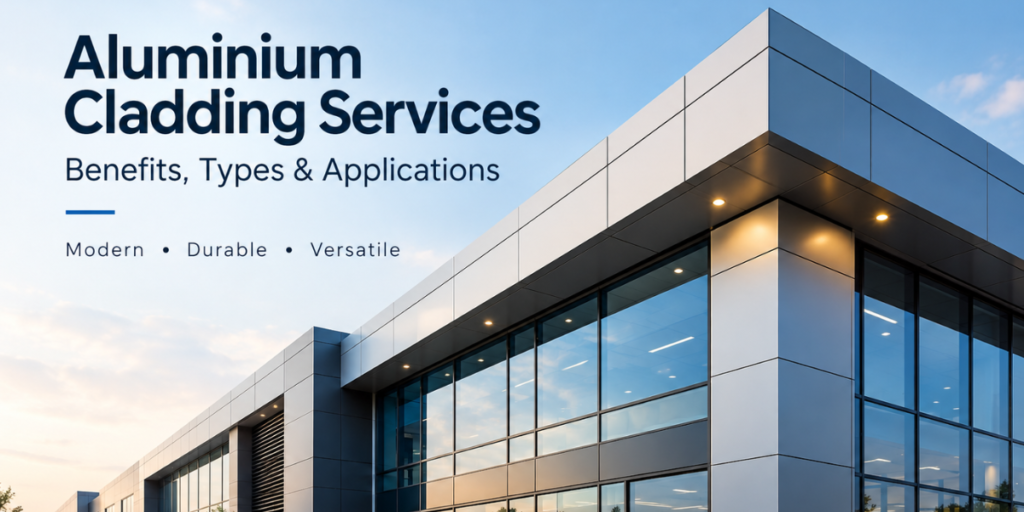
Modern buildings need materials that can provide a balance of durability, appearance, weather resistance, and practical performance. Aluminium cladding has become a popular architectural solution for residential, commercial, and industrial properties because it can create a clean modern appearance while helping protect building surfaces.
Professional Aluminium Cladding Services can be used for façades, exterior walls, entrances, commercial buildings, offices, retail spaces, and other architectural applications. With different finishes, profiles, colors, and installation methods available, aluminium cladding can be adapted to a wide range of design requirements.
For property owners looking for professional property improvement and installation solutions, FixurNest offers modern solutions designed to enhance the appearance and functionality of residential and commercial spaces.
What Is Aluminium Cladding?
Aluminium cladding is a protective and decorative layer installed over part of a building’s exterior or interior structure.
It typically consists of aluminium panels, sheets, or composite systems that are fixed to a supporting structure. Depending on the design, cladding can cover walls, façades, columns, entrances, or other architectural elements.
Aluminium is widely used because it is relatively lightweight, versatile, and available in a variety of finishes.
Professional installation is important because the performance of a cladding system depends on appropriate material selection, detailing, fixing methods, weatherproofing, and the condition of the underlying structure.
Why Are Aluminium Cladding Services Popular?
The popularity of aluminium cladding comes from its combination of visual flexibility and practical characteristics.
1. Modern Appearance
Aluminium cladding can give a building a contemporary and streamlined appearance.
It can be used to create:
- Minimalist façades
- Clean geometric designs
- Modern commercial exteriors
- Feature walls
- Entrance surrounds
- Decorative architectural elements
Different colors and finishes allow designers to coordinate cladding with the overall building design.
2. Lightweight Material
Aluminium is considerably lighter than many traditional exterior materials.
Its relatively low weight can make it practical for a variety of architectural applications, although the supporting structure and installation method must always be assessed by professionals.
3. Weather Resistance
Properly selected and installed aluminium cladding can provide a protective exterior layer against normal environmental exposure.
The exact level of weather resistance depends on the product, coating, joint design, installation quality, and local environmental conditions.
4. Low Maintenance
Aluminium cladding generally requires less maintenance than some traditional exterior finishes.
Routine cleaning and periodic inspection can help preserve its appearance and allow potential issues to be identified early.
5. Design Flexibility
Aluminium can be manufactured and finished in many different ways.
Property owners can choose from various:
- Colors
- Textures
- Patterns
- Panel sizes
- Profiles
- Surface finishes
This flexibility makes aluminium suitable for both subtle and visually distinctive architectural designs.
Types of Aluminium Cladding
Different aluminium cladding systems are available for different applications.
Aluminium Composite Panels
Aluminium composite panels consist of aluminium skins bonded around a core material.
They are commonly used for façades, signage, commercial exteriors, and architectural features.
Their smooth surface and wide range of finishes make them popular for modern building designs.
Solid Aluminium Panels
Solid aluminium panels are made from aluminium sheet material and can provide a durable architectural finish.
They may be used for façades, soffits, columns, entrances, and other exterior applications.
Perforated Aluminium Cladding
Perforated panels contain a pattern of openings that can create a distinctive architectural appearance.
They can be used for:
- Decorative façades
- Screens
- Privacy features
- Ventilated architectural elements
- Feature walls
The pattern and opening size can be customized according to the design requirements.
Aluminium Louvers
Aluminium louvers can provide architectural detail while also supporting solar shading and ventilation strategies when appropriately designed.
They are commonly seen on modern commercial and residential buildings.
Aluminium Rainscreen Systems
Rainscreen-style cladding systems are designed with a ventilated cavity behind the external cladding layer.
The design can help manage moisture and weather exposure when properly engineered and installed.
The exact construction should be determined according to the building design and applicable requirements.
Benefits of Professional Aluminium Cladding Services
Choosing professional Aluminium Cladding Services can help ensure that the system is properly planned and installed.
Accurate Measurements
Professional measurement helps determine the amount of material required and reduces the risk of unnecessary cutting or installation problems.
Proper Fixing
Cladding panels need to be securely attached using an appropriate fixing system.
Incorrect fixing can affect alignment, appearance, and long-term performance.
Better Finishing
Professional installation can produce cleaner joints, consistent panel alignment, and a more polished overall appearance.
Appropriate Material Selection
Different projects have different requirements. Professionals can help identify suitable panel types, finishes, and installation methods for the intended application.
Aluminium Cladding for Commercial Buildings
Commercial properties often use aluminium cladding to create a modern and professional exterior.
Applications can include:
- Office buildings
- Retail stores
- Shopping centers
- Restaurants
- Hotels
- Clinics
- Showrooms
- Commercial entrances
A well-designed façade can contribute to a building’s visual identity while protecting exterior surfaces from normal environmental exposure.
Aluminium Cladding for Residential Properties
Aluminium cladding is not limited to commercial projects.
It can also be incorporated into residential architecture for:
- Exterior walls
- Balcony areas
- Entrance features
- Garage surrounds
- Roofline details
- Feature façades
- Decorative panels
Modern residential designs often combine aluminium with glass, concrete, stone, and other materials to create contrast and visual depth.
Aluminium Cladding and Energy Efficiency
Aluminium itself is not an insulation material, so cladding should not automatically be considered a way to make a building energy efficient.
However, a properly designed building envelope can incorporate insulation, ventilation cavities, thermal breaks, glazing, and other components that contribute to thermal performance.
The overall energy performance depends on the complete building-envelope design rather than the cladding material alone.
For projects where thermal performance is important, the cladding system should be designed as part of the broader building envelope.
Aluminium Cladding for Façade Design
The façade is often one of the first parts of a building that people notice.
Aluminium cladding can help architects and property owners create distinctive façade designs through combinations of:
- Panel orientation
- Color
- Texture
- Lighting
- Geometric patterns
- Contrasting materials
- Recessed and projecting sections
This makes it useful for contemporary commercial architecture as well as modern residential properties.
Aluminium Cladding and Glass
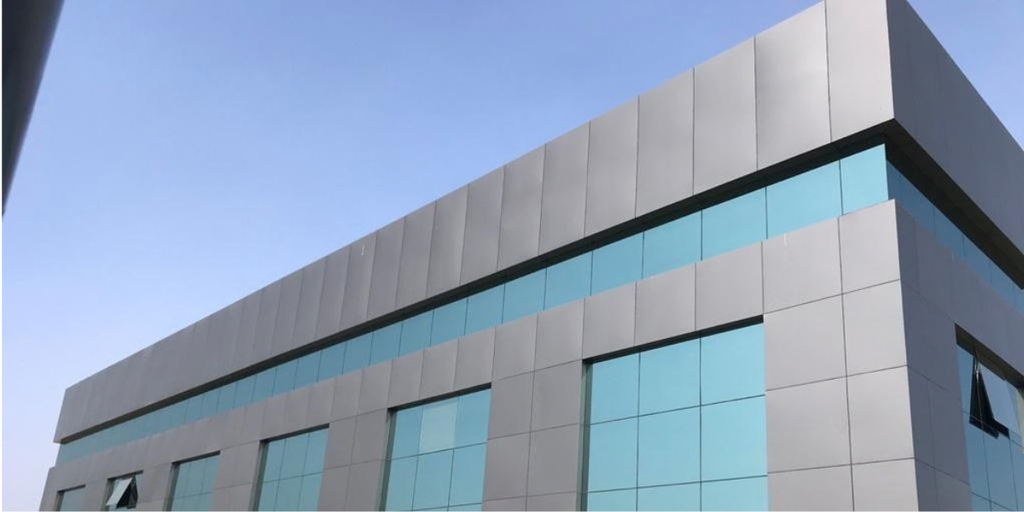
Aluminium and glass are frequently used together in modern architecture.
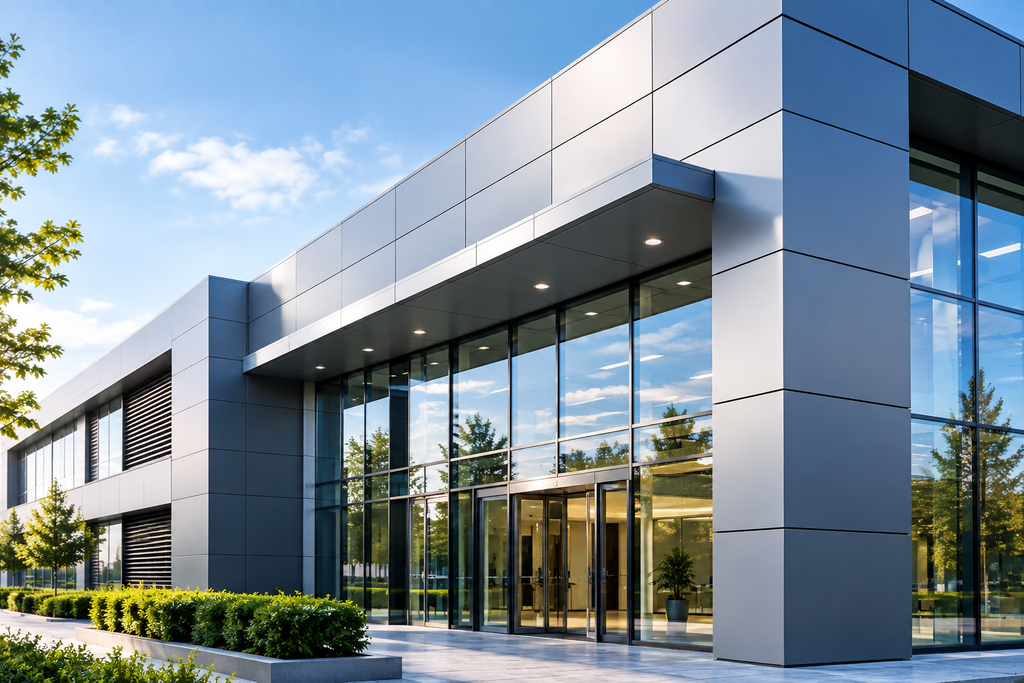
For example, a commercial façade might combine aluminium panels with large glass sections to create a contemporary appearance.
This combination can be particularly effective for:
- Office buildings
- Retail spaces
- Showrooms
- Commercial entrances
- Modern villas
- Reception areas
The materials can create a balance between solid architectural surfaces and transparent areas.
Aluminium Cladding for Office Buildings
Office buildings need to communicate professionalism while providing a functional working environment.
Aluminium cladding can be used around entrances, façades, reception areas, and external architectural features to create a modern appearance.
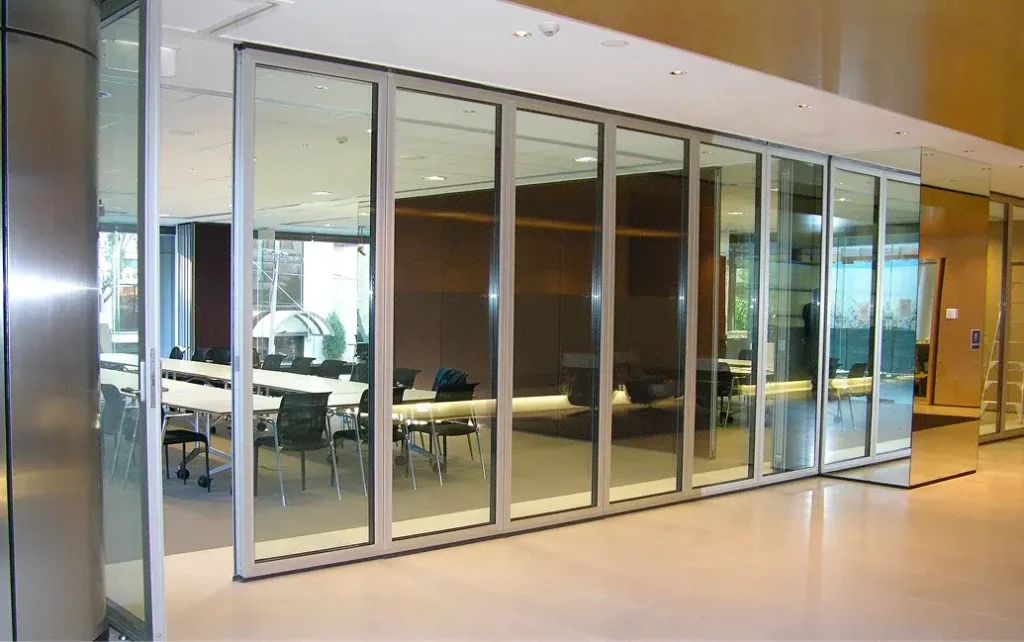
Combined with glass partitions, aluminium doors, and contemporary interior design, it can contribute to a consistent visual identity throughout the property.
Aluminium Cladding for Retail and Shopfronts
Retail businesses depend heavily on visual presentation.
Aluminium cladding can be used alongside glass shopfronts and signage to create a clean and contemporary storefront.
The design can help define:
- Entrance areas
- Signage zones
- Display areas
- Exterior feature walls
- Brand-focused architectural elements
A professionally installed façade can help create a more cohesive appearance for the commercial property.
Factors to Consider Before Installing Aluminium Cladding
Before selecting a cladding system, consider several important factors.
Building Design
The existing architecture should influence the type, size, color, and orientation of the cladding.
Climate and Weather
Local environmental conditions should be considered when selecting materials, coatings, fixing systems, and detailing.
Maintenance Requirements
Consider how easily the finished surface can be cleaned and inspected.
Budget
Costs depend on material type, panel design, project size, supporting structure, labor, access requirements, and finishing.
Installation Conditions
The condition of the existing building surface and supporting structure should be evaluated before installation.
Overall Appearance
The cladding should complement other architectural elements such as windows, doors, glass, signage, and lighting.
Why Professional Installation Matters
Even high-quality aluminium panels can perform poorly if they are incorrectly installed.
Professional installation helps address important details such as:
- Accurate measurements
- Panel alignment
- Fixing systems
- Expansion considerations
- Joint detailing
- Water management
- Supporting structures
- Surface preparation
- Finishing
A properly planned installation can improve the appearance and long-term performance of the cladding system.
How FixurNest Can Help With Aluminium Cladding
For property owners searching for reliable Aluminium Cladding Services, FixurNest provides professional property improvement and installation solutions for modern spaces.
FixurNest focuses on practical and visually appealing solutions that can help transform residential and commercial properties. Its broader property improvement services include solutions related to aluminium partitions, glass partitions, office interiors, and commercial glass applications.
Whether you are improving an office, retail property, commercial building, or residential space, the right architectural materials can make a significant difference to the overall appearance and functionality of the property.
Visit https://zmglassaluminuml.com/ to explore FixurNest’s property improvement solutions.
Maintenance Tips for Aluminium Cladding
Although aluminium cladding can be relatively low maintenance, regular care is still important.
Clean the Surface
Remove dust, dirt, and other buildup using suitable cleaning methods recommended for the specific finish.
Inspect Joints and Fixings
Periodic inspection can help identify loose components, damaged panels, or deteriorating joints.
Address Damage Early
Scratches, dents, coating damage, or other issues should be assessed and repaired when necessary.
Avoid Harsh Cleaning Products
Cleaning products should be compatible with the panel finish. Harsh chemicals or abrasive materials may damage certain coatings.
Common Applications of Aluminium Cladding
Aluminium cladding can be used across a wide range of projects, including:
- Building façades
- Office exteriors
- Retail stores
- Commercial buildings
- Hotels
- Restaurants
- Residential properties
- Villas
- Entrances
- Balcony features
- Feature walls
- Canopies
- Signage backgrounds
- Architectural screens
- Interior decorative elements
The appropriate system depends on the property’s design and technical requirements.
Final Thoughts
Aluminium Cladding Services provide property owners with a versatile way to enhance the appearance and functionality of modern buildings. From commercial façades and retail storefronts to residential features and architectural screens, aluminium cladding can be adapted to many different applications.
Its lightweight nature, design flexibility, range of finishes, and relatively low maintenance requirements make it a popular architectural material. However, proper material selection, building-envelope design, and professional installation are essential for achieving the desired result.
If you are considering aluminium cladding for a residential or commercial property, FixurNest can help you explore suitable property improvement solutions.
Visit https://zmglassaluminuml.com/ to learn more about FixurNest and its modern architectural and property improvement services.
Frequently Asked Questions
What are Aluminium Cladding Services?
Aluminium Cladding Services involve the supply, preparation, installation, and finishing of aluminium cladding systems for buildings and architectural spaces.
What are the benefits of aluminium cladding?
Aluminium cladding can offer design flexibility, a lightweight construction material, a wide range of finishes, and relatively low maintenance requirements.
Where is aluminium cladding used?
It can be used on commercial buildings, offices, retail stores, residential properties, façades, entrances, feature walls, balconies, canopies, and architectural screens.
Is aluminium cladding suitable for commercial buildings?
Yes. Aluminium cladding is widely used in commercial architecture for façades, entrances, feature walls, and other exterior applications.
Can aluminium cladding be used with glass?
Yes. Aluminium and glass can be combined to create contemporary façades, shopfronts, entrances, and other architectural designs.
Does aluminium cladding require maintenance?
Aluminium cladding is generally relatively low maintenance, but periodic cleaning and inspection are still recommended to maintain its appearance and identify potential issues.
How long does aluminium cladding last?
The lifespan depends on the material, coating, installation quality, environmental conditions, maintenance, and overall building design. A professional assessment can provide more project-specific information.